
Here in Washington, D.C., the passing of Thanksgiving and the onset of December marks Christmas party season (some of these shindigs are called "holiday" parties, but they're Christmas parties). That means from now through roughly December 19, the last Friday before Christmas, you can't be sure that your favorite D.C. restaurant or venue isn't closed for a private party, where members of Congress, lobbyists, political operatives, and, yes, journalists are connecting, reconnecting, talking shop and swapping valuable information, all while toasting to good cheer.
Nonetheless, the news doesn't stop—it hasn't stopped, in case you hadn't noticed. And that means The Dispatch hasn’t stopped, either. Here is some of our favorite commentary and reporting so far this month.
—David
Top Stories From the Dispatch Politics Team

On Tuesday morning, Speaker of the House Mike Johnson walked into a press conference in the lobby of the Republican National Committee’s headquarters. He and his leadership team gathered behind the lectern flanked by signs that listed “HOUSE GOP ACCOMPLISHMENTS” for the first year of the 119th Congress. They included the passage of partisan measures such as the One Big Beautiful Bill Act and the summer’s rescissions package, as well as bipartisan bills on border security and cryptocurrency. But the accomplishments Johnson touted masked a growing discontent in his caucus over actions from the president and House leadership that members feel have made the chamber ineffective.

Last April, the Intercollegiate Studies Institute invited eight college students to what an ISI staffer described in an email as an “exclusive retreat and dinner with Tucker Carlson” in Florida. Founded nearly 75 years ago, ISI is a prominent conservative collegiate intellectual institution in the United States. ISI also runs the Collegiate Network, a collection of alternative conservative newspapers on college campuses across the country, and the eight student journalists had been selected by ISI to attend the retreat and dinner because their campus newspapers were top-performing publications. After a Journalism 101 session at the Art Ovation Hotel in Sarasota, the students filed into a shuttle for a 90-minute trip to Carlson’s home on Gasparilla Island, where Carlson dispensed career advice—and brought along surprise guest Alex Jones.

President Donald Trump pledged during the 2024 campaign that he would carry out the largest deportation campaign in American history, and veterans of the first Trump administration including Stephen Miller, the current White House national security adviser overseeing the deportation campaign, and Tom Homan, the current border czar, said they were prepared this time around to make good on the promise. Homan emphasized that the effort would focus on deporting “the worst of the worst” illegal immigrants who are serious criminals. Miller, on the other hand, maintained an emphasis on enforcement targeting all illegal immigrants. Eleven months into the second Trump administration, arrest and detention data as well as published reports suggest that Miller’s approach is winning out.

Most U.S. tariff analyses have typically focused on the big picture—average tariffs, big deals, major actions or exemptions—while ignoring an issue that’s just as important, if not more so, for the tens of thousands of American businesses now forced to grapple with U.S. tariffs every day: their unprecedented, crippling, and truly insane complexity. Beginning in Trump’s first term and dramatically accelerating this year, navigating the U.S. tariff system has gone from relatively easy to mind-numbingly difficult for even the most skilled technicians and biggest corporations. For the little guys, on the other hand, it’s become virtually impossible. And the overall economic cost is likely staggering.
More From The Dispatch
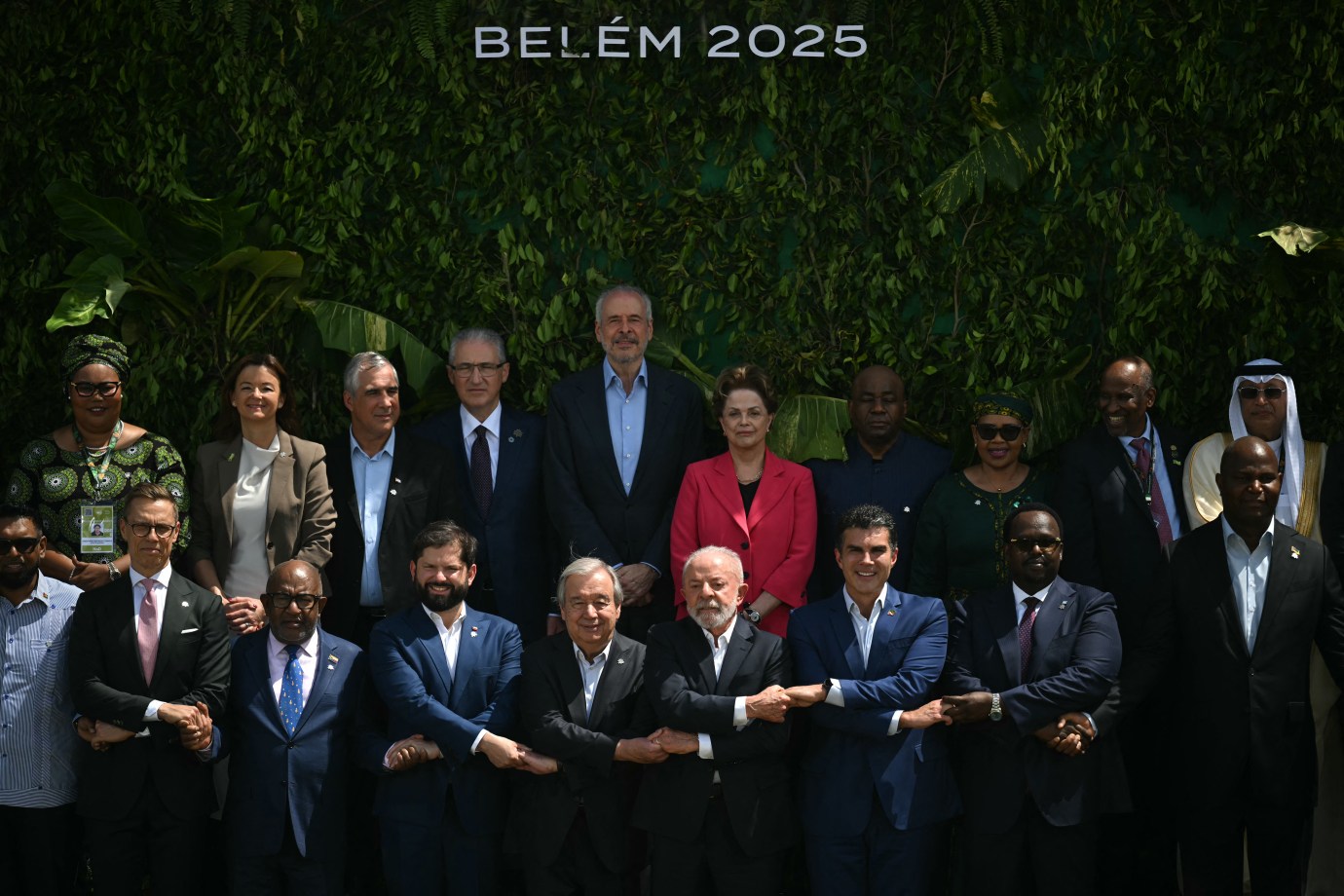
Reassessing the World’s Climate Victories
Representatives from nearly 200 countries around the world—with the notable exception of the United States—gathered in Belém, Brazil, this month for the United Nations’ COP30 climate summit. The location of COP30 has symbolic significance—it was in Brazil in 1992 that the international climate movement was launched at the Rio Earth Summit. But in the years since, including those that followed the forging of the Paris Agreement 10 years ago, carbon dioxide emissions from the burning of fossil fuels have continued to increase along with atmospheric concentrations of carbon dioxide. So what have these landmark climate initiatives actually accomplished?
Enjoying our Dispatch Politics Roundup? Consider forwarding this article to someone you know who likes independent, fact-based journalism.
Want to see more of The Dispatch in Google search?
Add Us as a Preferred Source
David M. Drucker is a contributing writer and former senior writer at The Dispatch. He is also a Bloomberg Opinion columnist and MS NOW contributor.


